AI4Health Symposium
AI4Health Symposium on the 38th Australasian Joint Conference on Artificial Intelligence
Date: Thursday, 4 Dec 2025
Venue: Australian National University (ANU)
Address: Acton ACT 2601, Australia
Conference website: https://ajcai2025.org/
Overview
AI4Health is a full-day symposium integrated into AJCAI’s Government & Industry Day, featuring two keynotes, invited talks from leading health agencies and academia, and a panel on AI safety and translation. Sessions run across Manning Clark Hall and Drama Theatre—please check room changes between sessions.
History of the Conference
Since its inception in Sydney in 1987, AJCAI has grown into the premier AI conference in Australasia and a leading international forum. Recent hosts include:
- 2025: The Australian National University, Canberra
- 2024: The University of Melbourne, Melbourne
- 2023: The University of Queensland, Brisbane
- 2022: The University of Western Australia, Perth
- 2021: University of Technology Sydney, Sydney
Registration & Attendance
Registration: Please select the “Industry/Gov. Day Only” ticket on the registration page. It covers one-day access to AI4Health and a banquet ticket for Old Parliament House.
Attendance: We only support in-person attendance.
Catering: Morning tea, lunch, afternoon tea, and banquet dinner are provided.
Program Timetable
The symposium is integrated with the main conference program, featuring two keynotes and a panel from the Industry/Government Day. Please double-check room locations as sessions move between Manning Clark Hall and Drama Theatre.
| 09:00 - 10:00 |
Keynote for Main Conference — Manning Clark Hall
Dr. Navinda Kottege (CSIRO’s Data61) — Human-Robot Teaming in Extreme Environments
|
| 10:00 - 10:15 | Coffee break |
| 10:15 - 11:15 |
AI4Health Symposium — Drama Theatre
Dr. Allison Clarke (Department of Health, Disability and Ageing) — Opening
Rebecca Bateson (Therapeutic Goods Administration) — AI in the healthcare sectors – a regulator’s perspective
|
| 11:15 - 11:30 | Coffee break |
| 11:30 - 12:30 |
AI4Health Symposium — Drama Theatre
Prof. Hanna Suominen (ANU) — AI for Personalising Precision Health
|
| 12:30 - 13:45 | Lunch — Foyer |
| 13:45 - 14:45 |
Keynote for Main Conference — Manning Clark Hall
Prof. Toby Walsh (UNSW) — Can computers be creative?
|
| 14:45 - 15:00 | Coffee break |
| 15:00 - 16:00 |
AI4Health Symposium — Drama Theatre
Dr. Frank Sun (CSIRO’s Data61) — An LLM-based AI Engineering Tool for Building Customisable Document Evaluation Workflows for Healthcare
Prof. Michael Blumenstein (UTS) — AI in Australia’s health sector – unleashing the potential
|
| 16:00 - 16:15 | Break |
| 16:15 - 17:30 |
Panel Discussion for Industry/Gov Day — Manning Clark Hall
AI Safety, Research Funding, TranslationARC, etc.
|
| 17:30 - 17:45 | Break |
| 17:45 - 18:00 | Buses (x3) leave for Old Parliament House (meet at Kinsley St) |
| 18:00 - 21:00 | Conference Banquet Dinner — Old Parliament House |
| 21:00 - 22:00 | Buses (x3) return |
Keynotes
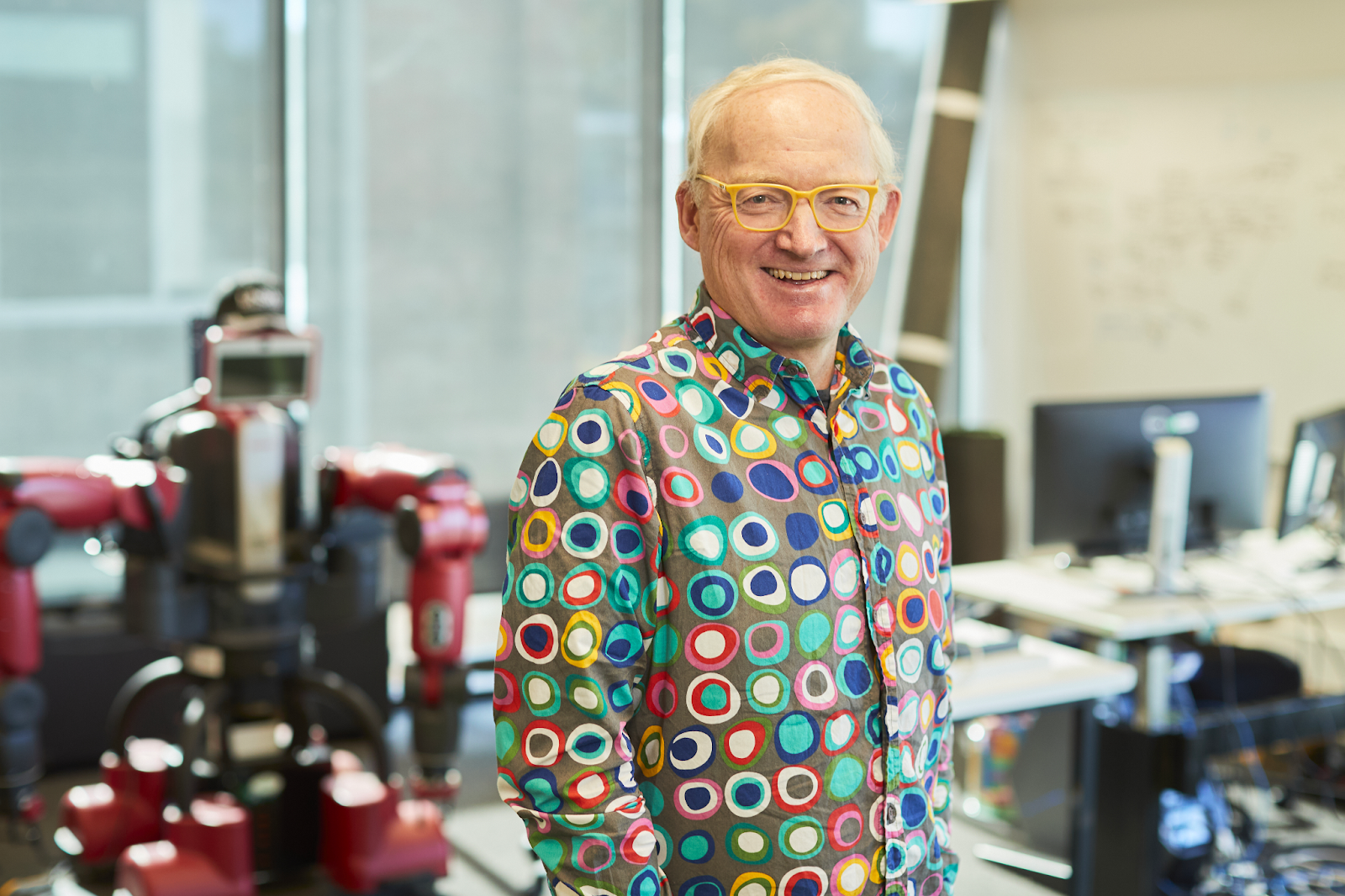
Toby Walsh
University of New South Wales (UNSW) and CSIRO Data61, Australia
Keynote (Main Conference)
Speaker: Toby Walsh, University of New South Wales (UNSW) and CSIRO Data61, Australia
Talk: Can computers be creative?
Abstract: Two hundred years ago, Ada Lovelace suggested that a computer "can only do what we tell it to do". And when computers pass another milestone towards full artificial intelligence—whether it be playing world class Go, or reading x-rays better than a radiologist—people often remark "but it can't be creative". Turing addressed this very objection in his seminal 1950 paper, Computing Machinery and Intelligence. How then does this objection stand up to recent progress in AI? Based on my own and many other people's work, I'll explore progress towards computational creativity. The talk is dedicated to the memory of another great female pioneer in this area, the late Maggie Boden (1936–2025) who I first met in Australia in 1991.
Bio: Toby Walsh is Laureate Fellow and Scientia Professor of Artificial Intelligence at the University of New South Wales and Chief Scientist at UNSW.ai. He has a B.A. from the University of Cambridge and an M.Sc. and Ph.D. from the University of Edinburgh. He has been elected a Fellow of the Australian Academy of Science, the ACM, and the Association for the Advancement of Artificial Intelligence. He was named on the international "Who's Who in AI" list of influencers, and his Twitter account was voted in the top ten to follow to keep abreast of developments in AI. He has won an Eureka Prize, the Humboldt Prize and the NSW Premier's Prize for Excellence in Engineering and ICT.
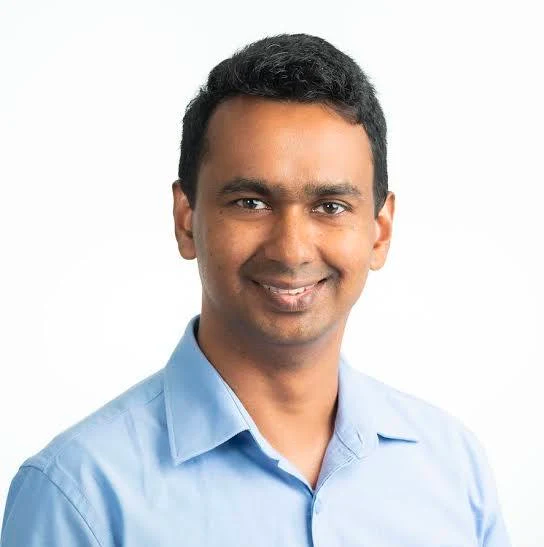
Navinda Kottege
CSIRO’s Data61, Australia
Keynote (Main Conference)
Speaker: Navinda Kottege, CSIRO’s Data61, Australia
Talk: Human-Robot Teaming in Extreme Environments
Bio: Navinda is the Research Director of the Cyber-Physical Systems Research Program (Robotics, Computer Vision and Distributed Sensing Systems) at CSIRO’s Data61. He was the Principal Investigator and project leader for the CSIRO Data61 team that competed and won the US$1million second place prize at the DARPA Subterranean Challenge finals in September 2021. Navinda initiated and led legged robot research within CSIRO since 2011, an activity that grew into a world-class R&D capability within the organisation. Before stepping into the Research Director role, he led the Robotics and Autonomous Systems group and also conducted research in legged robot navigation, perception and control with multi-legged robots with a focus on navigation in complex unstructured environments. Navinda joined the CSIRO as a Postdoctoral Fellow soon after receiving his PhD in Engineering from The Australian National University in 2009. For his PhD, he conducted research in underwater robotics as a team member of the Serafina project which developed swarming technology for autonomous underwater vehicles (AUVs). He is a senior member of the IEEE, and was the Chair of the IEEE Queensland joint chapter for Control Systems/Robotics and Automation Societies during 2020-2021. He is also a member of the ACM, and an Adjunct Professor at the Queensland University of Technology and the University of Queensland.
Invited Speakers
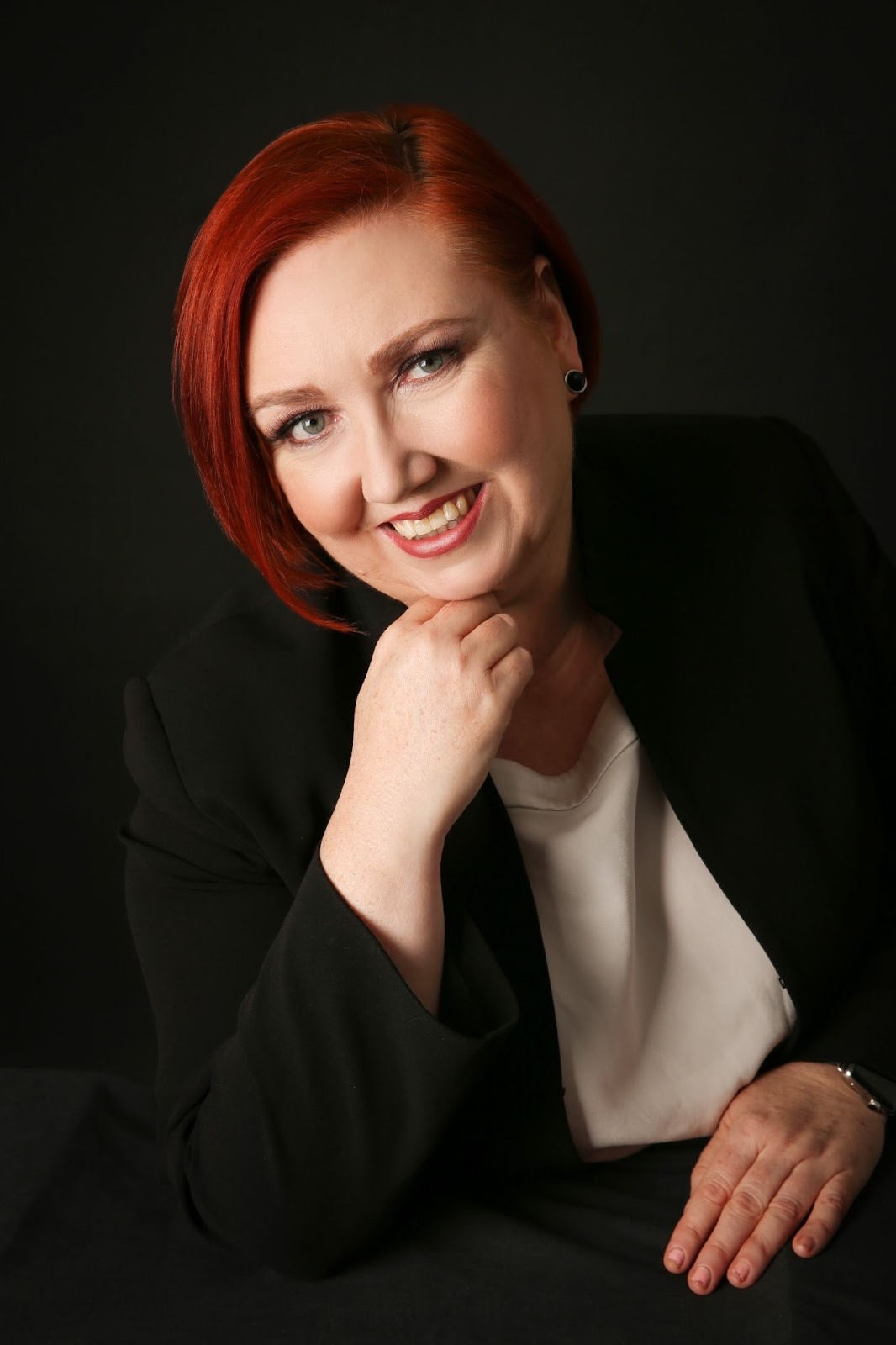
Dr Allison Clarke
Director, External Data Partnerships and Capability Section, Australian Government Department of Health, Disability and Ageing
Talk: Opening from the Department of Health, Disability and Ageing
Bio: Dr Allison Clarke directs the External Data Partnerships and Capability Section at the Australian Government Department of Health, Disability and Ageing, where her team multiplies the impact of AI and data analytics on policy, program management, and regulation to improve health and wellbeing for Australians.
She has served across Medicare, Hospitals, and Data Analytics portfolios with a deep understanding of health programs and priorities at both state and national levels. Her passion is using AI, data, and analytics to deliver real-world health policy improvements.
Dr Clarke holds a Professional Doctorate in Health Psychology from Swinburne University of Technology and a Bachelor of Science (Honours) in psychology from Deakin University; her doctoral thesis examined the psychosocial impact of epilepsy on young people through extensive quantitative analysis.
She is also a registered health and clinical psychologist practising one day a week in the ACT and is the current Treasurer and past Chair of the Australian Psychologist Society College of Health Psychologists.
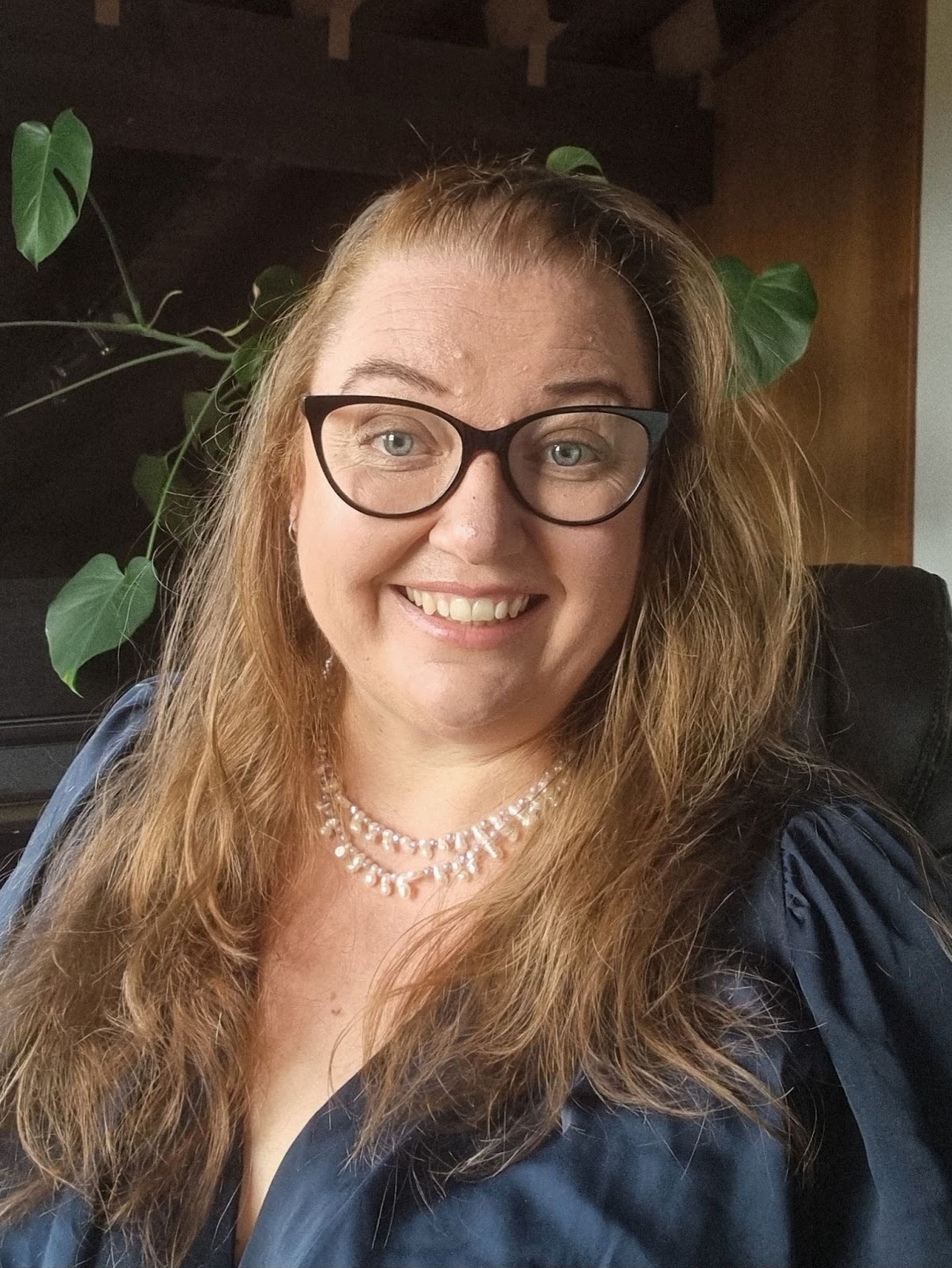
Rebecca Bateson
Senior Regulatory Policy Advisor, Devices Emerging Technology and Medical Devices Surveillance Branch, Therapeutic Goods Administration
Talk: AI in the healthcare sectors – a regulator’s perspective
Abstract: The increasing use of AI in healthcare settings prompts questions about what models and systems are regulated, and by whom. Rebecca Bateson from the Therapeutic Goods Administration will share examples that illustrate the boundaries of definitions and regulatory requirements for AI under the current legislative framework administered by the TGA. She will also outline ongoing and planned work to ensure refinements are made when necessary to keep Australians safe while accessing innovative therapeutic solutions.
Bio: Rebecca Bateson is a policy advisor with over a decade at the Therapeutic Goods Administration. She led the TGA’s legislative review under the Government’s Safe and Responsible AI Budget measure, delivering a report that captured regulatory strengths and areas for refinement. Dedicated to best-practice regulation, she now leads digital policy reform in the Devices Emerging Technology and Diagnostics Section to future-proof Australia’s medical device framework.
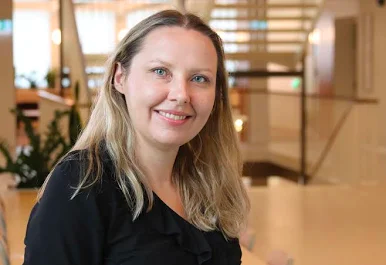
Prof Hanna Suominen
Professor and Associate Director (Neuroinformatics), Eccles Institute; SFHEA, Australian National University
Talk: AI for Personalising Precision Health
Abstract: AI is delivering effectiveness and efficiency dividends in personalised precision health by decreasing time demands and increasing diagnostic throughput. This talk shares experiences from the ANU Neuroinformatics group, showing how explainability, efficacy evaluations, and smart sensing power responsible AI strategies that accelerate discoveries while keeping personalised precision health sustainable and equitable.
Bio: Prof Hanna Suominen is the Associate Director (Neuroinformatics) of the ANU John Eccles Institute of Neuroscience and Co-chair/Executive Leader (Computing and Engineering) of Our Health in Our Hands. She previously served as Associate Director (Engagement & Impact) at the ANU School of Computing and led the TAMPA and NLP teams at CSIRO’s Data61/NICTA. Her degrees include an MSc in Applied Mathematics (2005), PhD in Computer Science (2009), and Docent in Computer Science (2013) from the University of Turku, followed by a Senior Fellowship of the Higher Education Association (2019) and an MEdL in Curriculum & Pedagogy (2020) from Monash University.
Prof Michael Blumenstein
Pro Vice-Chancellor (Business Creation & Major Facilities), University of Technology Sydney
Talk: AI in Australia's health sector – unleashing the potential
Abstract: The future of AI in health is accelerating rapidly, but adoption must overcome barriers around data, access to cutting-edge research, trust, and workforce readiness. Through case studies, this talk explores how universities can help translate AI research and innovation to benefit the sector, industry, government, and patients.
Bio: Professor Michael Blumenstein is the Pro Vice-Chancellor (Business Creation and Major Facilities) at the University of Technology Sydney. He has previously served as Deputy Dean (Research and Innovation) in the Faculty of Engineering & IT and has held major leadership roles across UTS and Griffith University. With over two decades of experience, his work spans AI, machine learning, and digital innovation, and he has contributed extensively to industry and professional bodies including the ACS, AIIA, and IoT Alliance Australia, as well as national committees such as the ARC College of Experts.
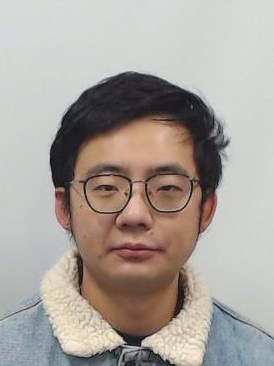
Dr Frank Sun
Research Scientist, Commonwealth Scientific and Industrial Research Organisation (CSIRO) Data61, Canberra
Talk: An LLM-based AI Engineering Tool for Building Customisable Document Evaluation Workflows for Healthcare
Abstract: Foundation models such as LLMs can streamline document evaluation workflows, but adoption hinges on customisability, accuracy, and scalability. DOCUEVAL is an AI engineering tool for building customisable document evaluation workflows: users can define theory-grounded reviewer roles, specify evaluation criteria, experiment with reasoning strategies, and choose assessment styles. Comprehensive logging, source attribution, and configuration management make it possible to trace every run and compare setups systematically. A real-world academic peer review case shows how DOCUEVAL supports engineering evaluators that are reliable, scalable, and ready for healthcare document evaluation.
Bio: Dr Frank Sun is a Senior Research Scientist in the SE4AI team at CSIRO’s Data61, specialising in responsible AI, software supply chain security, and AI-driven automation. His research spans AI, cybersecurity, and software engineering, including knowledge graph–based vulnerability detection and risk assessment. He has led projects such as the CSIRO–Google Software Supply Chain Security initiative, the Universal Task Automation project, and Responsible AI for AI4M. His work appears in venues like ICSE, ASE, and WWW and has earned distinguished paper awards at the International Conference on Software Maintenance and Evolution (2018, 2019).
Panel Discussion
Topic: AI Safety, Research Funding, TranslationARC, etc.
Panellists: Prof. Hanna Kurniawati (ANU), Prof. Lexing Xie (ANU), TBD
Venue and Banquet
Main Conference Venue: Australian National University (ANU)
Address: Acton ACT 2601, Australia
Conference Dates: December 1-5, 2025
Events: Main conference sessions, workshops, tutorials, keynotes, poster sessions
The Australian National University is one of Australia’s leading research universities, located in the heart of Canberra with state-of-the-art facilities and a beautiful setting for academic conferences. Transportation: easily accessible by public transport, with ample on-campus parking.
Conference Banquet Venue: Old Parliament House
Address: 18 King George Terrace, Parkes ACT 2600, Australia
Banquet Date: December 4, 2025 (Evening)
Event: AJCAI 2025 Conference Banquet Dinner
Old Parliament House is a historic and iconic venue that served as Australia’s Parliament from 1927 to 1988 and now hosts the Museum of Australian Democracy. Its historic architecture and gardens provide an elegant, prestigious setting perfect for networking and celebration.
Contact
Guodong Long — guodong.long@uts.edu.au